


 Česky (CZK)
Why measure relative humidity?

Relative humidity is often overlooked compared to temperature. When a room is too hot or too cold, the response is immediate. Adjust the thermostat, turn on a fan, or add heat. Humidity is different. It is less visible, harder to sense directly, and often addressed only after it causes a problem.
That does not make it less important. Relative humidity plays a measurable role in indoor air quality, process stability, and product integrity across a wide range of applications. Monitoring it allows operators to maintain controlled conditions rather than reacting to issues after they appear.
Below we will discuss 4 reasons for measuring relative humidity.
1. Monitor Production Conditions
Humidity can directly influence manufacturing outcomes. In pharmaceutical environments, excess moisture can accelerate chemical degradation and reduce product stability. Consistent humidity control helps maintain expected shelf life and product efficacy.
Other industries face similar risks. In electronics manufacturing, for example, uncontrolled humidity can increase the likelihood of corrosion or condensation, while overly dry conditions can contribute to electrostatic discharge. Measuring relative humidity provides the data needed to keep production within defined tolerances.
2. Preserve Stored Product Quality
The need for humidity control does not end when production is complete. Storage environments introduce their own risks, especially for materials sensitive to moisture.
Descriptive Alt Text
Products such as food and beverage goods, pharmaceuticals, and electrical components can degrade when exposed to elevated humidity levels over time. Moisture can promote spoilage, alter physical properties, or compromise packaging. Monitoring relative humidity in warehouses and storage facilities helps ensure that conditions remain within acceptable limits throughout the product lifecycle.
3. Maintain Occupant Comfort and HVAC System Performance
Humidity also affects occupied spaces. Relative humidity influences how people perceive temperature, which means it contributes to overall comfort in residential, commercial, and institutional environments.
Maintaining relative humidity within a moderate range can support occupant well-being and reduce complaints about air quality. It can also improve HVAC efficiency. Systems that operate within balanced humidity conditions typically require less adjustment to maintain comfortable temperatures, which can support more stable energy use.
4. Reduce Risk of Mold and Airborne Pathogens
Relative humidity outside of recommended ranges can increase health and safety risks. When humidity rises above approximately 60 percent, conditions become more favorable for mold growth. Mold remediation can be costly and disruptive once contamination spreads.
At the other end of the range, very low humidity can contribute to increased persistence or transmission of some airborne viruses. While humidity alone does not determine infection risk, maintaining levels within a moderate range is one component of a broader indoor air quality strategy.
Recommended products12

Wireless Temperature and Humidity Data Logger

Multi-Use PDF Temperature and Humidity Data Loggers


Portable Temperature and Humidity Data Loggers
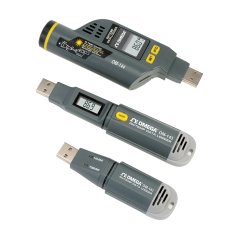
Humidity & Temperature Data Loggers with USB Interface
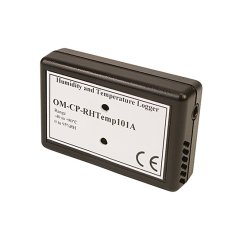
Humidity and Temperature Data Logger


Temperature and Humidity Data Logger With Optional External Probe


Temperature and Humidity Data Logger


Wireless Wi-Fi Temperature and Humidity Data Loggers
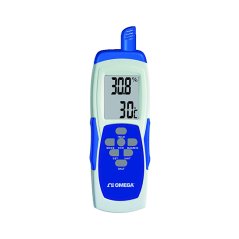
Humidity/Temperature/Dew Point Meter w/Optional Data Logger

Humidity and Temperature Meters

Handheld Hygro Thermometer Data Logger


Chart Recorder for Temperature and Humidity
Correct measurement of relative humidity is essential for protecting materials, ensuring stable production, and maintaining safe storage conditions. Whether you need to monitor environmental parameters in industrial facilities, warehouses, laboratories, or office spaces, high‑quality hygrometers and data loggers help you maintain optimal values and prevent unnecessary losses. Choose from our range of professional instruments and ensure accurate and reliable humidity measurement in any environment.


