


 Česky (CZK)
High Accuracy, Sanitary Pressure Transducers

 0 to 100 mV, 0 to 10 Vdc, or 4 to 20 mA Outputs. Used for liquid level measurment in tanks and silos. High 0.08% Accuracy. Solid State Sensor for Long Term Stability. Welded Stainless Steel Construction. Clean In Place (CIP) with 316 SS wetted parts. Now Available with M12 Connector, Order Model PXM459S. Shock and Vibration Rated. Ruggedized with Secondary Containment System. Industrial CE Rating. More
The PXM409S Sanitary Metric range Series micromachined silicon transducers with 1½ or 2" sanitary fittings are ideal for pressure or level Clean In Place (CIP) applications in food processing, beverage, dairy, or bio/ pharmaceutical applications. They are also rugged enough for most industrial applications requiring a high accuracy CIP transducer. The micromachined silicon sensor provides a very stable reading with exceptional high accuracy of 0.08% and a broad compensated temperature range of -4 to 85°C on most ranges. The modular construction allows for fast delivery of most configurations and fittings. Plus, customized models also can be delivered quickly to suit your exact needs.
The online configurator may not contain all available options. If you do not find what you are looking for, please contact us.
Complete informations can be found in the spec sheet (PDF), see the "Download" section.
SPECIFICATIONS:
Accuracy: ±0.08% Best Straight Line (Linearity, Hysteresis and Repeatability combined) Compound Gauge models calibrated in positive direction only
Calibration: 5-point NIST traceable calibration with zero and span values, calibrated in horizontal direction
Operating Temperature Range: -15 to 115°C (-5 to 240°F)
Compensated Temperature Range:
≤350 mb: 4.4 to 60°C (40 to 140°F)
>350 mb: -4 to 85°C (25 to 185°F)
Temperature Compensation Zero and Span Shift Over Compensated Range:
≤2 bar: Zero:1.00%
Span: 0.70%
= 350 mb: Zero: 0.80%
Span: 0.50%
> 350 mb: Zero: 0.50%
Span: 0.50%
550H and 880H Barometric Range:
Zero: 0.90%
Span: 0.50%
Zero Balance: ±0.5% full scale typical ±1% maximum (for ranges =170 mb ±1% typical ±2% maximum)
Span Setting: ±0.5% full scale typical ±1% maximum (for ranges =170 mb ±1% typical ±2% maximum)
Minimum Isolation Between Case and Output Terminations: 100 M Ω @ 50 Vdc
Pressure Cycles: 1 million, minimum
Long Term Stability (1-Year): ±0.1% full scale typical
Shock: 50 g, 11 mS half sine shock, (under test)
Vibration: ±20 g (under test)
Bandwidth: DC to 1 kHz typical
Response Time: <1 mS
Fill Fluid: NEOBEE M5 Food Grade
Approved to 3A Sanitary Specification 74-03 CE Compliant: Meets industrial emissions and immunity standard IEC61326
Environmental Protection: IP65 or IP67 depending upon electrical termination
Pressure Rating: 1½" and 2" Tri-Grip™ (compatible the Tri-Clamp®)
Fitting: 40 bar using suitable clamp
Over Pressure: 4 x rated pressure to maximum rated flange pressure
Secondary Containment: 6 x rated pressure to a maximum of 138 bar (not in clamp)
Wetted Parts: 316L SS
Weight: 285 g (10 oz)
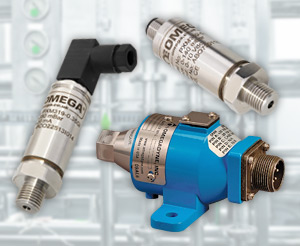
Pressure Transducers and Transmitters
A pressure transducer, often called a pressure transmitter, is a sensor that converts pressure into an analog electrical signal. Although there are various types of transducers, one of the most common is the strain-gage wheatstone bridge pressure transducer.
The conversion of pressure into an electrical signal is achieved by the physical deformation of strain gages which are bonded into the diaphragm of the pressure transducer and wired into a wheatstone bridge configuration. Pressure applied to the transducer produces a deflection of the diaphragm which introduces strain to the gages. The strain will produce an electrical resistance change proportional to the pressure...

eBook / Automotive
OMEGA is an industrial sensor and measurement solutions provider with over 50 years of experience. With the ability to provide a complete range of instruments and engineering services it would be difficult to find a better partner for the automotive industry.
OMEGA has a track record of providing state-of-the-art sensors and measurement instrumentation for the automotive industry. With our vast experience and knowledge in industrial applications and development of high quality measuring instruments, sensors and complete solutions...
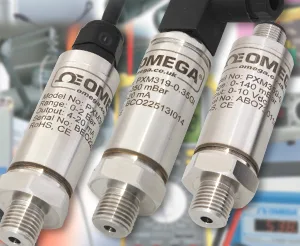
Understanding Sensor Output Signals
Have you ever wondered why there are a multitude of sensor output signals that can be configured on pressure, temperature, humidity, or gas sensing instrumentation used in process or HVAC applications? Most of these offerings were originally set up to allow sensor manufacturers to better align with the inputs offered by manufacturers of programmable logic controllers (PLCs) and direct digital controllers (DDCs), which are used for controlling processes for both automation and HVAC control.
I’d like to focus on two of the most commonly used output signals and zero in on the advantages and disadvantages...
Accessories6
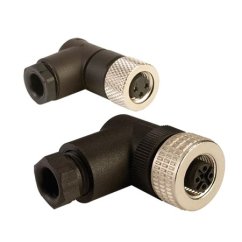
Universal M8 and M12 connector (suitable for Pt100)
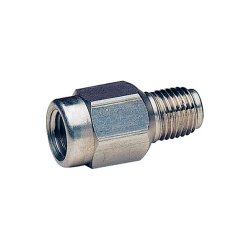
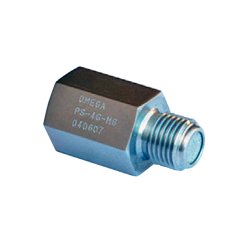
Pressure Snubbers to Protect Against Pressure Surges
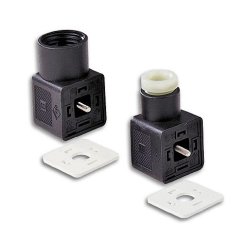
DIN 43650 Connectors for Electrical Connections
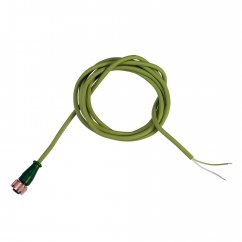
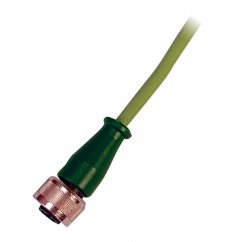
M12 & M8 Thermocouple Compensated Cable
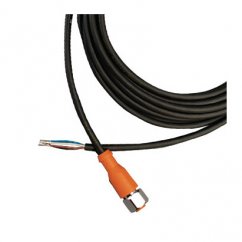
M12 Cable for RTD, Thermistor and Transmitters
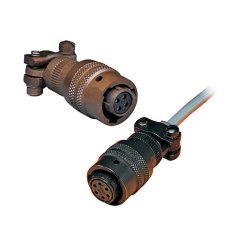
Twist Lock Connectors for Pressure Transducers and Load Cells
Related products12
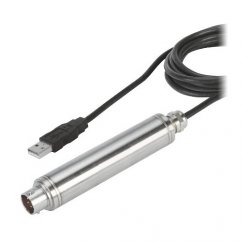
USB Signal Conditioner for Pressure or Load Transducers
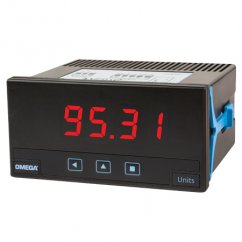
1/8 DIN Multi-Function Panel Meter
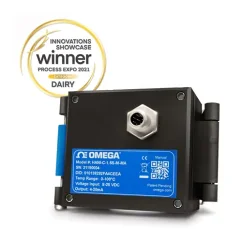
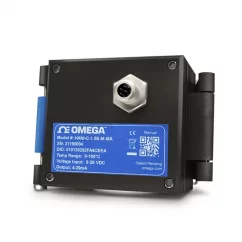
Sanitary Metal Pipe Clamp HANI™ Temperature Sensor
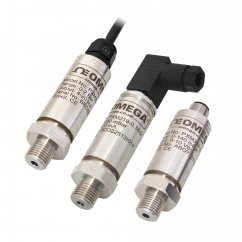
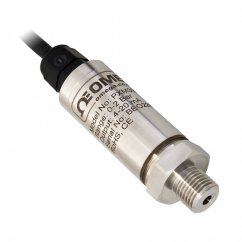
High Accuracy Pressure Transmitter
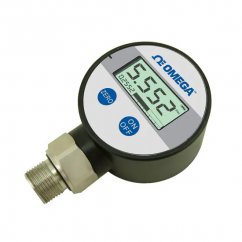
Battery Powered Digital Pressure Gauge
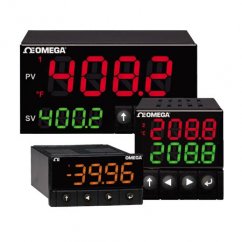
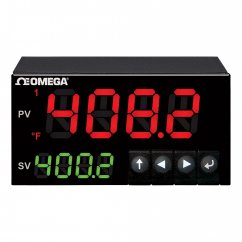
High Accuracy Temperature, Process & Strain Controller
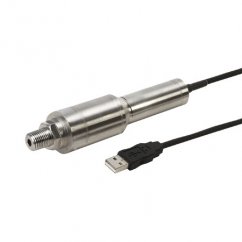
High Pressure transducer with USB output
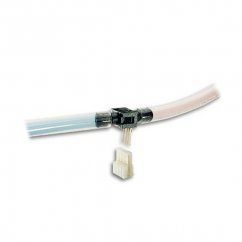
Wet/Wet Miniature Board Mounted Pressure Sensors
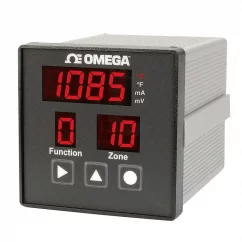
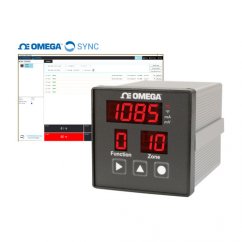
Universal 6 or 12 Channel 1/4 DIN Panel Meter
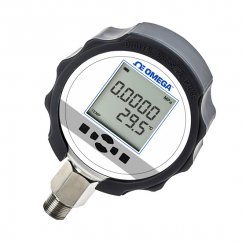
Advanced, High Accuracy, Digital Pressure Gauge with Temperature
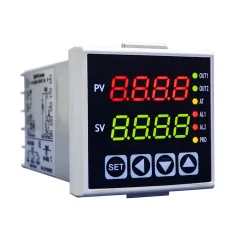
Temperature PID Controller 1/16 DIN (2x relay)