

 Česky (CZK)
High Temperature Platinum Thermocouples and Ceramic Protection Tubes
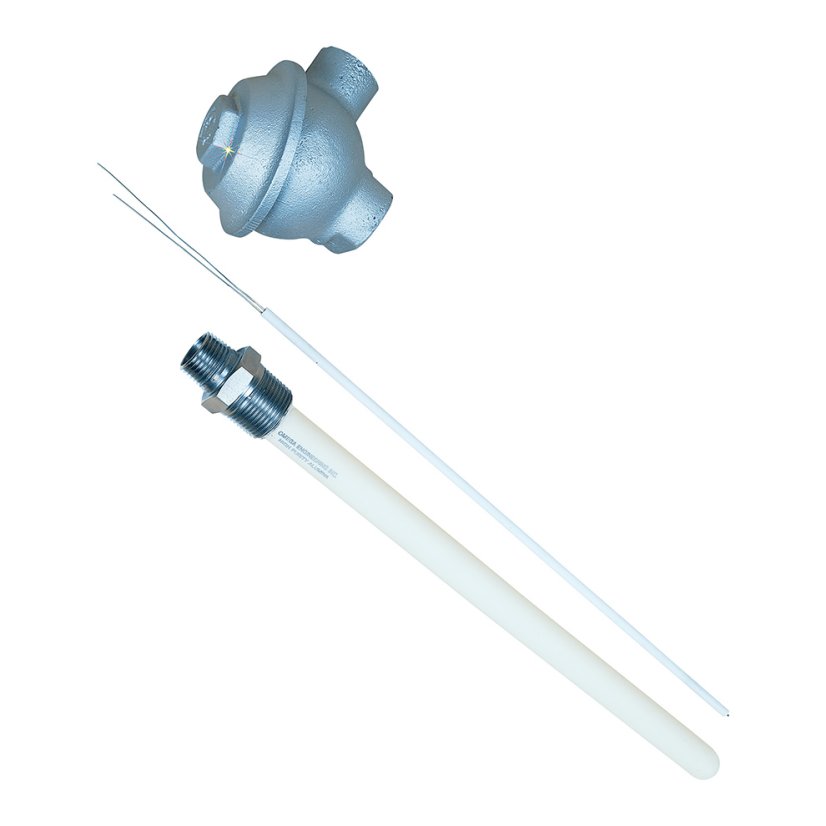
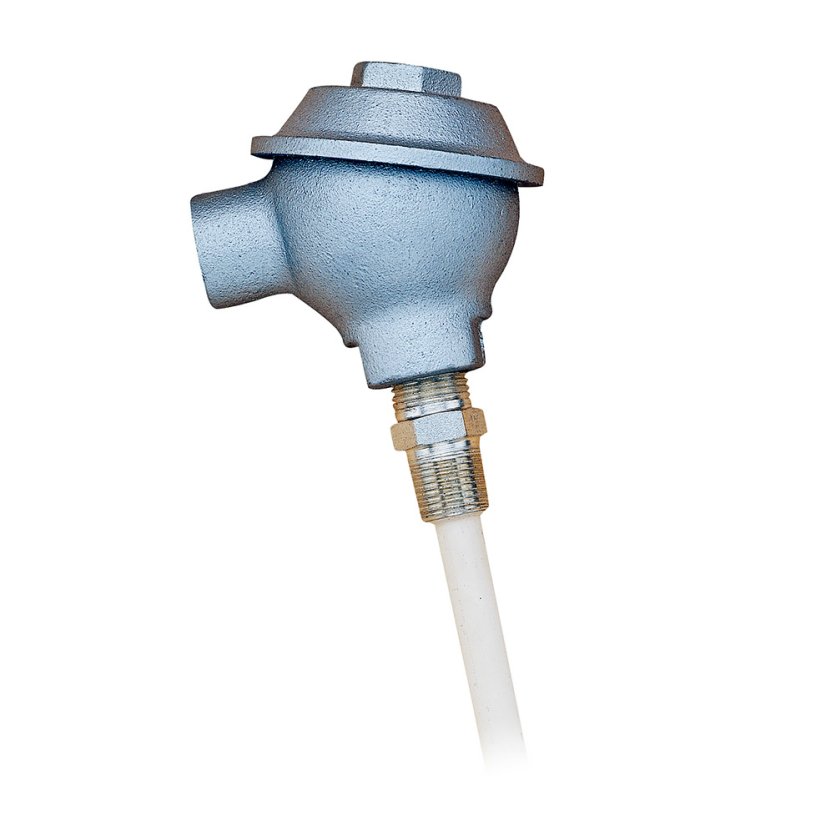
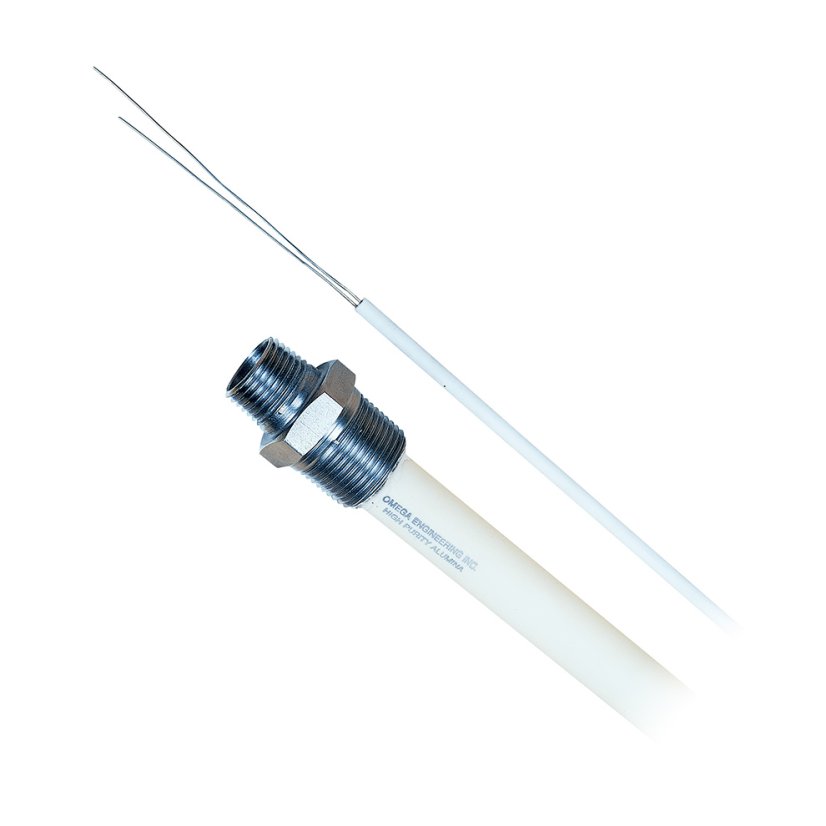


 Up to 1650°C (3000°F) Rating. Oxidizing or Reducing Atmospheres. Connection Head With Terminal Block. Custom Probe Lengths Available. More
Type R, S, or B Platinum Thermocouple enclosed in a high purity alumina protection tube. Standard construction includes cast iron NB1-2 connection head and 1/2" NPT fitting. For use at temperatures up to 1650°C (3000°F). Elements are insulated by a double bore high purity hard-fired alumina insulator.
Complete informations can be found in the spec sheet (PDF), see the "Download" section.
Calibration for temperatures above 1100°C according to individual agreement.
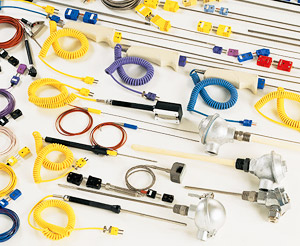
Thermocouple Sensor / What is a Thermocouple?
A thermocouple is a sensor for measuring temperature. This sensor consists of two dissimilar metal wires, joined at one end, and connected to a thermocouple thermometer or other thermocouple-capable device at the other end. When properly configured, thermocouples can provide temperature measurements over wide range of temperatures.
Thermocouples are known for their versatility as temperature sensors therefore commonly used on a wide range of applications...
How is Temperature Measured?
Temperature can be measured via a diverse array of sensors. All of them infer temperature by sensing some change in a physical characteristic. Six types with which the engineer is likely to come into contact are: thermocouples, resistive temperature devices (RTDs Pt100 and thermistors), infrared radiators, bimetallic devices, liquid expansion devices, and change-of-state devices.
Choose the right temperature measurement instrument for your application...
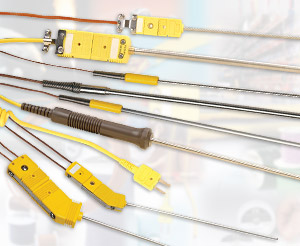

What Are Common Applications for Thermocouples?
Thermocouples are the most widely used temperature sensors on the planet due to their combination of wide temperature capabilities, ruggedness, and low cost. Thermocouples are used in applications that range from home appliances to industrial processes, to electric power generation, to furnace monitoring and control, to food and beverage processing, to automotive sensors, to aircraft engines, to rockets, satellites and spacecraft.
When it comes to high temperatures, small size, fast response, high vibration or shock, most times you will find thermocouples providing the temperature measurements.
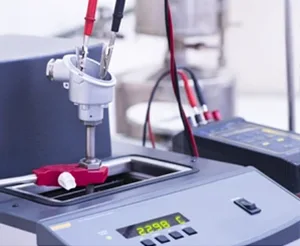
Common Techniques to Calibrate Thermocouples
Temperature measurement is possible through several means. We commonly use thermometers for measuring temperature. However, for precision measurements, where even a small spike in temperature requires to be recorded, we use advanced forms of measurement devices like thermocouples. Thermocouples are measurement devices that can read very slight temperature changes. Hence, they are widely used in applications where accuracy is of utmost importance.
However, like any measurement device, the efficiency of thermocouples will deteriorate overtime under constant use. At this point, the thermocouple needs recalibration...
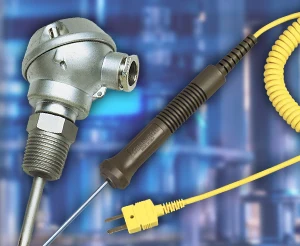
Understanding Thermocouple Accuracy Drift
One constant in industrial processing is that accuracy drift in a measurement device is something to be avoided. For critical applications, where temperature measurements directly influence performance, even a slight drift in the accuracy of a device like a thermocouple can lead to significant issues.
Yet, consumers continuously find that many of the thermocouples out there on the market end up needing to be recalibrated or replaced all together (sometimes after an annoyingly short period of time) due to, you guessed it, accuracy drift...
Related products5
Unsheathed Tungsten-Rhenium Micro Thermocouples up to 2760°C
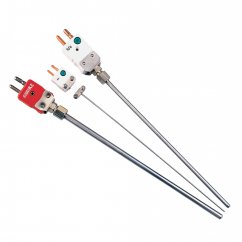
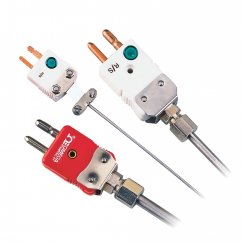
Very High Temperature Thermocouple Probes
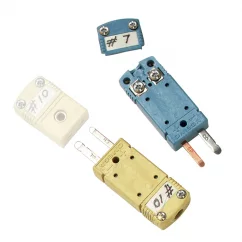
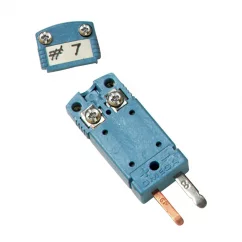
HFMPW / High Temperature Miniature Connector with Ferrite Core
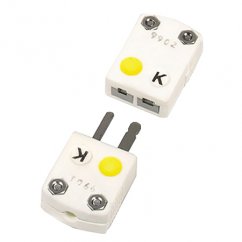
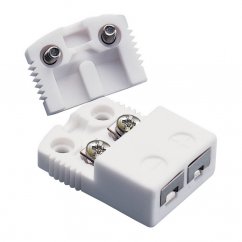
SHX / High Temperature Miniature Ceramic Connector